.png)
How Often Should You See a Cosmetic Dentist for Maintenance?
September 2026
Cosmetic dentistry represents a meaningful investment, not just financially, but in your confidence, your function, and in many cases, your overall oral health. Whether you've had veneers placed, completed a smile makeover, or gone through Invisalign treatment, one of the most important questions to ask once the active phase of treatment is complete is: what comes next? The answer matters more than most patients expect. Cosmetic restorations are not indefinitely self-sustaining. They require a deliberate maintenance strategy, and the frequency of your follow-up care should be tailored to what was done, how your mouth responds over time, and what your baseline oral health looks like.
Why Cosmetic Restorations Require a Different Level of Attention
It's a common misconception that once cosmetic work is completed, the teeth are somehow more protected or less susceptible to problems. In reality, the opposite requires more vigilance. Porcelain veneers, composite bonding, crowns, and implant-supported restorations all function at the interface between an artificial material and living tissue, and that interface is where problems tend to develop if monitoring lapses. Marginal integrity, tissue response, occlusal loading, and the health of adjacent and supporting structures all need to be assessed on a consistent basis.
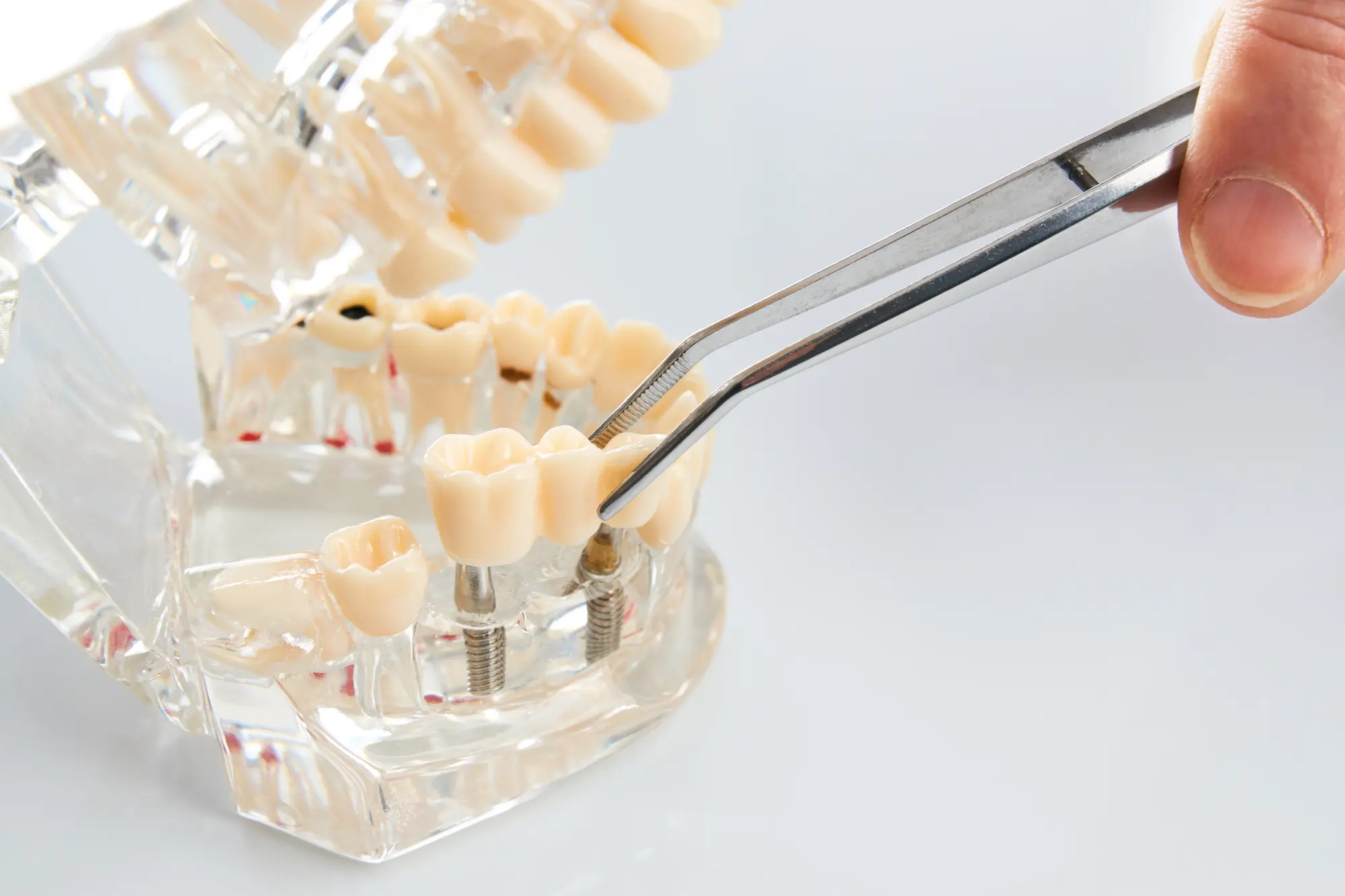
Consider veneers specifically. A well-fabricated porcelain veneer is highly durable, but it is not impervious to the forces applied during function and parafunction. Patients who grind or clench, even subclinically, exert forces on their veneers that can lead to chipping, debonding at the margin, or fracture of the underlying tooth structure over time. Without regular monitoring, these issues are often discovered at a point where the repair is significantly more involved than it would have been if caught early. The same principle applies to composite bonding, which is more susceptible to staining and surface degradation, and to implant restorations, where the peri-implant tissue requires close attention to prevent peri-implantitis, an inflammatory condition analogous to periodontitis that can compromise the implant's long-term survival.
General Maintenance Frequency After Cosmetic Treatment
For most patients who have completed cosmetic dental treatment and maintain good baseline oral health, a six-month recall interval is the appropriate starting point. This aligns with standard preventive care guidelines and allows for timely detection of any changes at the restoration margins, shifts in the gingival architecture, or early signs of occlusal wear. At these appointments, we're doing more than cleaning the teeth. We're evaluating the integrity of every restoration, assessing how the tissue is responding around veneers and crowns, and comparing current findings against baseline records from the time of placement.
That said, six months is not a universal standard for every cosmetic patient. Several factors influence whether a more frequent schedule is warranted:
- Bruxism or parafunctional habits: Patients who grind or clench, even with a night guard in place, generate significant occlusal forces that accelerate wear on restorations. More frequent monitoring, combined with regular assessment of the occlusal device itself, is often appropriate.
- Periodontal history: Patients with a history of bone loss or attachment loss who have also undergone cosmetic treatment are managing two sets of clinical concerns simultaneously. These patients typically benefit from a three- to four-month maintenance interval.
- Composite restorations: Because composite material is more porous and prone to surface changes than porcelain, patients with bonding or composite veneers may benefit from more frequent polishing and assessment to address staining and marginal wear before it progresses.
- Multiple implants or implant-supported prosthetics: Peri-implant health monitoring requires consistent clinical and radiographic evaluation, and in patients with multiple implants, this oversight becomes more involved.
What Happens at a Cosmetic Maintenance Appointment
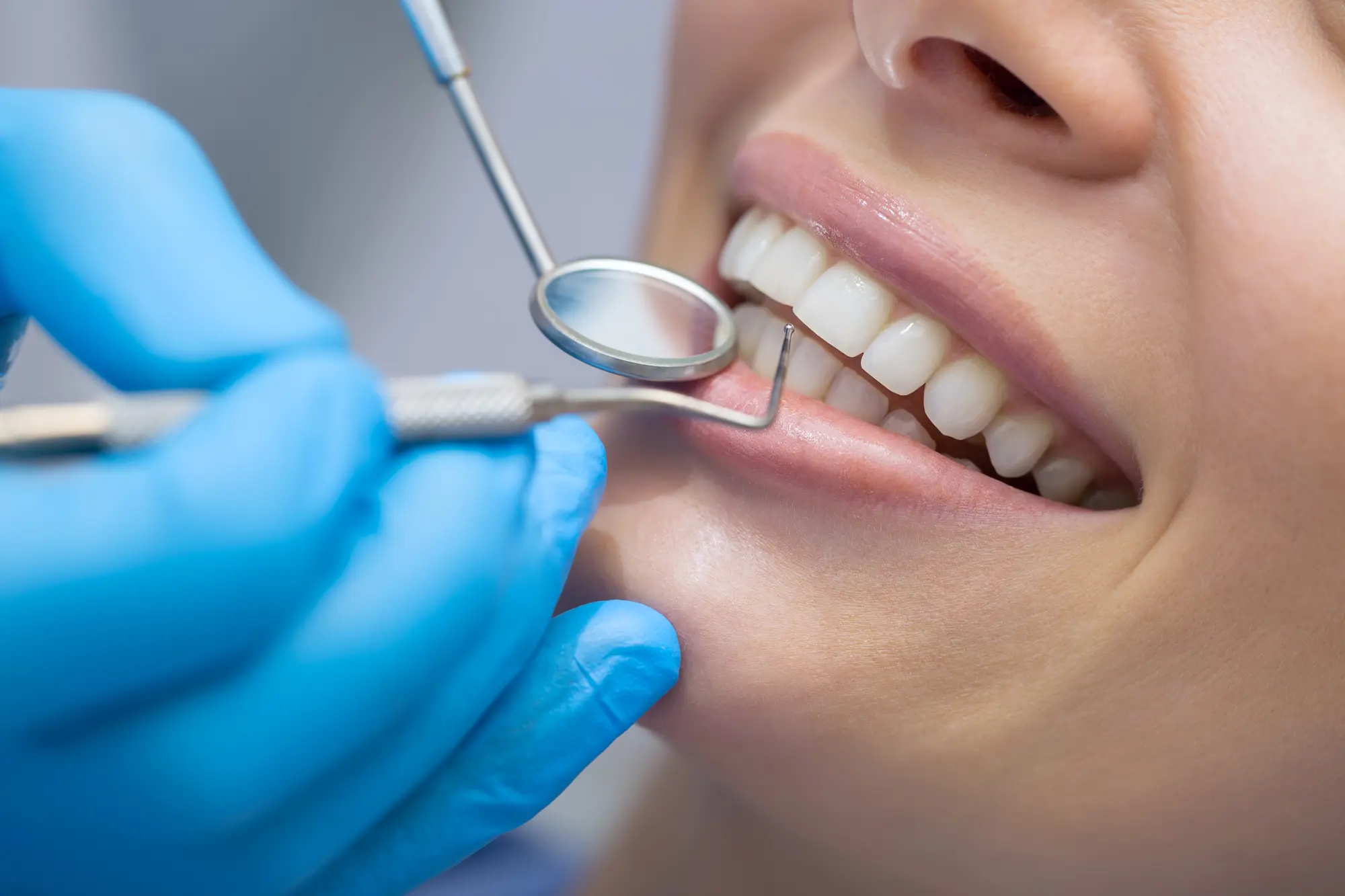
A maintenance visit following cosmetic treatment is not identical to a standard prophylaxis appointment, and it's worth understanding what a thorough evaluation actually involves. At Doral Select Dentistry, when we see a patient who has undergone cosmetic work, the examination includes a systematic review of each restoration alongside the standard preventive components of the visit.
Specifically, we're assessing:
- Marginal integrity of veneers, crowns, and bonded restorations, looking for evidence of microleakage, chipping, or separation at the margin that could allow bacterial ingress
- Occlusal contacts and wear patterns, particularly on patients with ceramic restorations, where changes in the bite can place uneven loading on the material
- Gingival contour and sulcular health around restored teeth, since changes in tissue position can affect both the esthetics and the long-term health of the restoration
- Radiographic evaluation on an appropriate schedule to assess the supporting bone and root structure beneath crowns and veneers
- Implant fixture stability and peri-implant tissue health, including probing depths around implant sites
- The condition of any occlusal appliances, such as night guards, which are often prescribed alongside cosmetic treatment and degrade over time
This level of detail allows us to intervene early rather than reactively, which almost always translates to simpler, less costly, and less invasive treatment when something does need to be addressed.
The Role of Home Care in Protecting Cosmetic Work
Professional maintenance visits are only as effective as the daily habits that support them. This is especially true for patients with cosmetic restorations, where certain home care practices can either significantly extend the lifespan of the work or accelerate its deterioration. The specifics depend on what treatment was performed, but a few principles apply broadly.
For patients with porcelain veneers or crowns, a non-abrasive fluoride toothpaste is preferable, since highly abrasive formulations can dull the surface luster of the porcelain over time. For patients with composite bonding, avoiding prolonged contact with staining agents like coffee, red wine, and tobacco makes a meaningful difference in how long the material retains its original shade. Flossing around the margins of veneers and crowns is essential, but technique matters. Threading floss carefully rather than snapping it through the contact point helps protect the marginal seal. And for patients who were prescribed a night guard following cosmetic treatment, wearing it consistently is not optional. It is one of the most evidence-supported things you can do to protect the longevity of ceramic and composite restorations.
When to Call Before Your Next Scheduled Visit
Cosmetic maintenance is not entirely confined to scheduled recall appointments. There are circumstances where you should contact the office between visits rather than waiting for the next one. These include:
- Any perceived change in how your bite feels, including new sensitivity when biting down or a sensation that the teeth are hitting differently than they were
- Visible chipping, cracking, or discoloration at the margin of a veneer or crown
- A restoration that feels loose or has a different tactile quality than it did previously
- Gum tenderness, bleeding, or recession around a restored tooth or implant site that persists beyond a day or two
- Trauma to the face or mouth that may have impacted a restoration, even if no obvious damage is visible
Catching these issues early is almost always better clinically than addressing them after they've had time to progress.
Visit Doral Select Dentistry for Cosmetic Dental Maintenance in Miami, FL
At Doral Select Dentistry, Dr. Quiñones and Dr. Camino approach cosmetic care as a long-term commitment, not a one-time procedure. Whether you're a current patient looking to establish a maintenance schedule after treatment or someone who had cosmetic work done elsewhere and wants a thorough evaluation of where things stand, we're here to provide the kind of detailed, attentive follow-up your smile deserves. Call us at (305) 786-5956 or request an appointment online to schedule your next visit.



.png)


